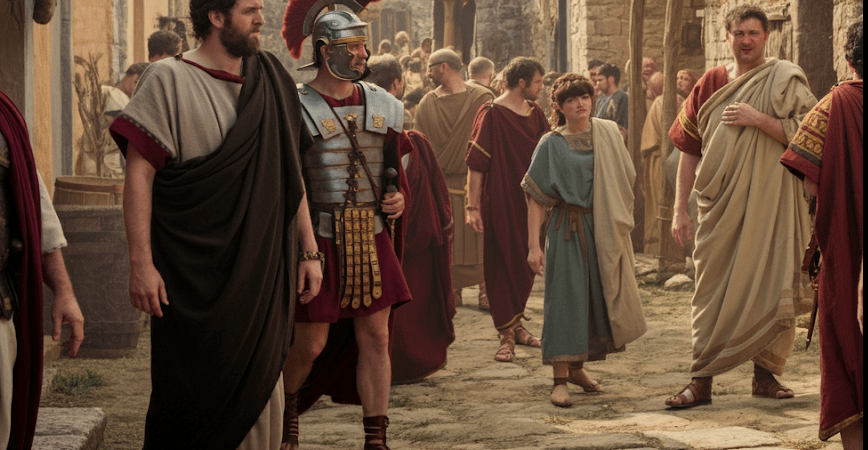
In contrast to other everyday objects of people in Roman antiquity, only a few items of clothing have survived the test of time. Individual fragments of woven fabrics provide clues to their production.
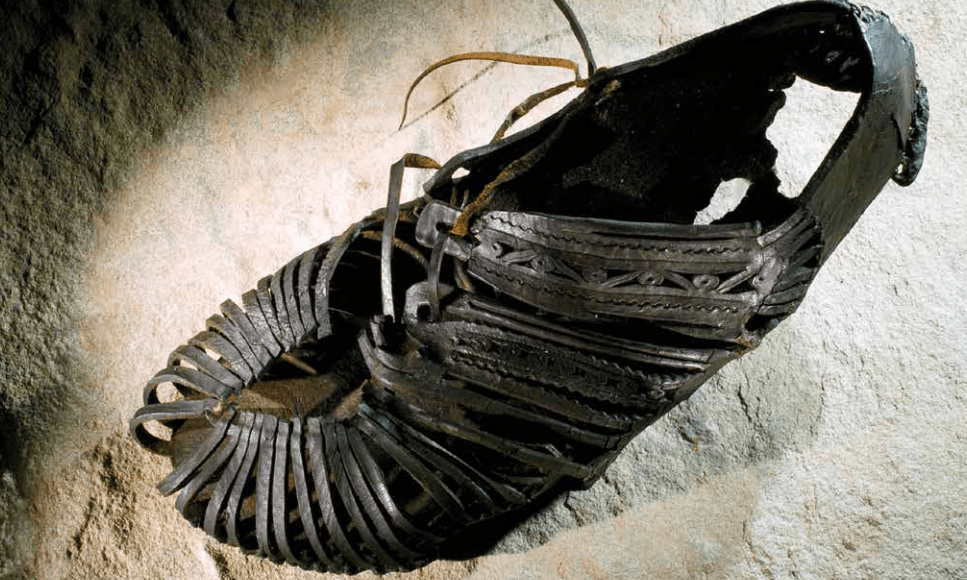
Numerous leather shoes have been preserved in the wells in the damp environment, without oxygen. In ancient times, people used the wells, which no longer had water, as rubbish bins and disposed of their worn-out shoes there. In Vindolanda Roman Fort just over the Scottish Border, there is the biggest collection in the empire of children’s, women’s and men’s shoes.

One garment worn by all members of society was the tunic. It was made of linen or wool and had the shape of a modern T-shirt that reached down to the knees for men and above the ankles for women. Craftsmen, for example, wore a tunic made of simple and undyed linen as work clothing. It was worn on the hips with a belt, over which the fabric was pulled out in a puff.
For men and children, the tunic could end at the knees, while women wore a longer version to cover the ankles. This was the dress code, otherwise, the woman would have put her good reputation at risk.
Roman women also wore jewellery made of a wide variety of materials such as gold, silver, bronze, precious stones or glass.
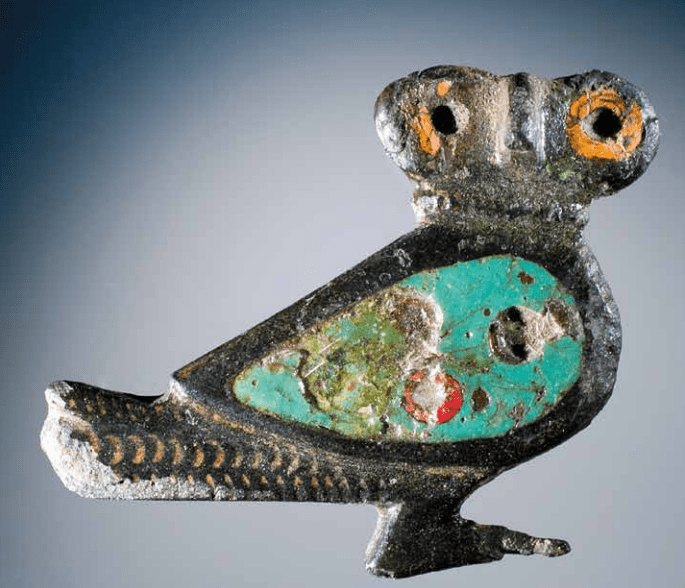
The jewellery and the quality of the fabric were clear indications of the wearer’s social status. Over the garments and jewellery, Roman women wore the palla, a large, rectangular piece of fabric that wrapped the body like a cloak. In low temperatures, a palla made of wool could be used.
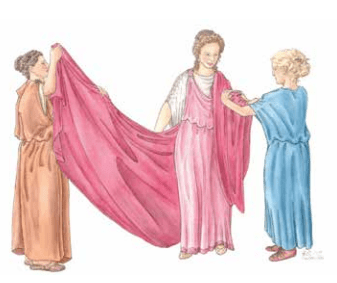
Married women covered their hair with the palla when they were in public. This was the second dress code for women, along with covering the ankles.
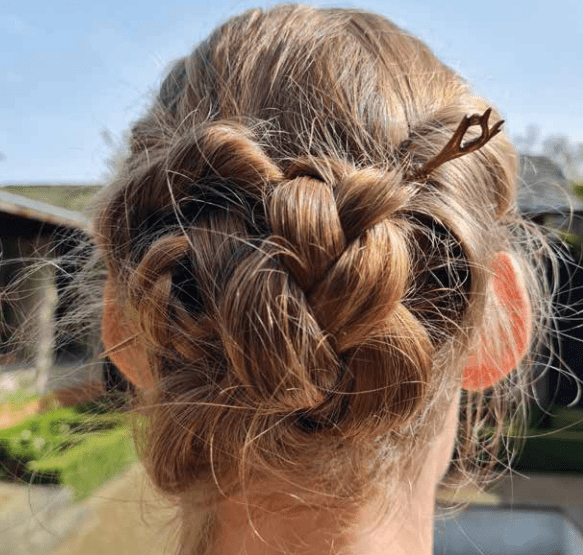
The hairstyles of Roman women are also particularly important. They pinned their hair into complicated hairstyles with elaborate braids and hairpins.
Sheets for Colouring
All pictures on this page are kindly supplied by Saalburg Museum and used with permission
 Roman Corstorphine